

Description
Quick Overview Of Dytor 100 mg Tablets
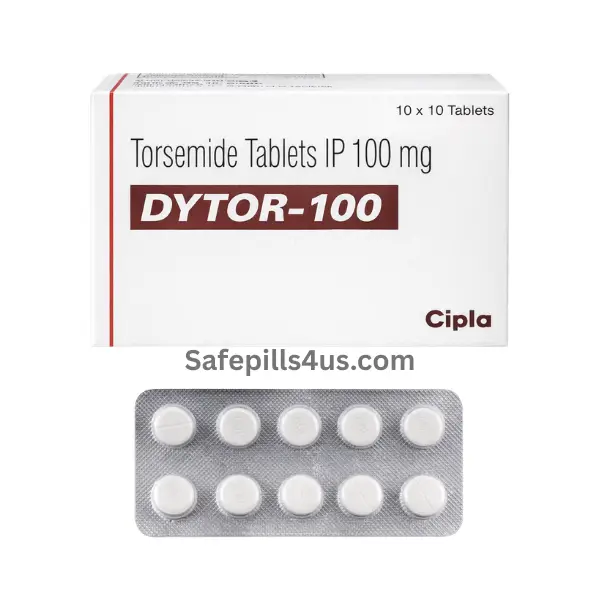
Dytor 100 mg tablets contain torsemide, a prescription loop diuretic used to pull off extra salt and water. It helps ease swelling (edema) and can assist in blood pressure control when fluid overload is part of the problem.Product Table With Key Attributes And Details
| Attribute | Details |
|---|---|
| Brand/Name | Dytor 100 mg tablets |
| Active Ingredient | Torsemide 100 mg (loop diuretic) |
| Primary Uses | Edema due to heart failure, chronic kidney disease, or liver cirrhosis; adjunct therapy for hypertension as directed |
| Prescription Status | Rx only; use under medical supervision |
| Dosage Form | Oral tablet, swallow with water |
| Typical Dosing | Often once daily in the morning; sometimes a second dose early afternoon if prescribed |
| Onset & Duration | Starts working in about 1 hour; effect often lasts 6–8 hours |
| How It Works | Increases urine output by acting on the kidney’s loop of Henle to remove excess salt and water |
| Common Side Effects | More frequent urination, dizziness, headache, thirst, low potassium, muscle cramps |
| Serious Risks (Seek Help) | Fainting, severe dehydration, irregular heartbeat, very low urine output, sudden hearing changes, severe rash |
| Key Interactions | Lithium, digoxin, NSAIDs, steroids, other blood pressure meds, aminoglycosides—ask your prescriber/pharmacist |
| Contraindications/Cautions | Anuria (no urine output), known hypersensitivity; use caution with sulfonamide allergy, gout, diabetes |
| Alcohol & Driving | Alcohol may intensify dizziness; use care with activities requiring alertness |
| Pregnancy/Breastfeeding | Use only if clearly needed and advised by your clinician |
| Monitoring | Periodic labs (electrolytes, kidney function), weight checks, blood pressure tracking |
Key Benefits You’ll Notice In Day-To-Day Life
- Pulls off stubborn fluid so ankles deflate and shoes fit better by evening.
- Helps you breathe more comfortably when fluid overload has been cramping your lungs.
- Supports steadier blood pressure, especially when swelling is part of the picture.
- Works predictably during the day, so bathroom breaks are easier to plan around.
- May reduce hospital trips for fluid build-up when taken exactly as prescribed.
- Plays well with heart failure regimens (e.g., ACE inhibitors, beta-blockers) under clinician guidance.
- Can be adjusted by your prescriber to meet changing fluid goals, because needs shift week to week.
- Simple, once-daily morning timing for many users keeps routines smooth and consistent.
Who May Use This Medicine Under Doctor Guidance
- Adults with edema from heart failure who need stronger diuresis than low doses provided.
- People with chronic kidney disease experiencing fluid retention despite lifestyle measures.
- Individuals with liver cirrhosis and ascites, when their care team recommends a loop diuretic.
- Patients with resistant hypertension where excess volume is a key driver.
- Those recently hospitalized for fluid overload who require an optimized outpatient plan.
- Adults with recurring leg swelling or weight spikes linked to fluid shifts.
- Not typically used in children unless a specialist directs care and dosing.
Dosage And Usage Tips For Safe, Steady Results
- Take only the dose your prescriber sets 100 mg is a higher strength for specific needs.
- Morning is best; a second dose (if ordered) should land in the early afternoon to protect your sleep.
- With or without food is fine, but breakfast pairing can help you remember.
- Swallow whole with water; split only if your tablet is scored and your clinician okays it.
- Skip late-evening doses—expect several hours of increased urination after each tablet.
- Keep salt/sodium in check; salty meals can blunt torsemide’s effect, so go easy on chips and takeout.
- Weigh yourself each morning after peeing, before breakfast; log changes for your doctor.
- Hydrate smartly—sip through the day, but don’t “chug” to catch up unless your provider says to.
- Missed dose? If it’s still early, take it now. If it’s near bedtime or your next dose, skip—never double up.
- Home BP checks and symptom notes (cramps, dizziness, swelling) help your team fine-tune therapy.
- Lab monitoring matters—electrolytes (potassium, sodium), kidney function, and sometimes uric acid/glucose.
Side Effects And Safety Warnings To Keep On Your Radar
- Expect more bathroom trips, especially the first week or after dose changes.
- Lightheadedness can pop up when standing quickly; rise slowly and hold railings.
- Headache, dry mouth, or mild nausea may appear but often settle.
- Muscle cramps or weakness can signal low potassium—call your clinician for advice.
- Blood sugar and uric acid may trend up; diabetics and gout patients should check in promptly.
- Ringing in the ears or hearing shifts are uncommon but important—seek care fast if noticed.
- Stop and contact your doctor urgently for fainting, chest pain, irregular heartbeat, severe dehydration signs, blacking out, or very low urine.
- Drug interactions can alter safety and effect; always share an up-to-date med/supplement list.
Storage Instructions For Home And Travel Confidence
- Keep at room temperature (68–77°F or 20–25°C); short excursions are typically okay.
- Park bottles away from steam, sinks, and sunlight—bathroom cabinets are too humid.
- Store in the original container with the label; use a weekly pill box only if it closes tightly.
- Child- and pet-proof your storage spot—high shelf or locked drawer is best.
- Headed out of town? Pack extra doses and keep them in your carry-on, not checked bags.
- Do not use past the expiration date; ask your pharmacist about safe disposal programs.
Frequently Asked Questions That Patients Often Ask
Is Dytor 100 mg considered a strong dose?
Yes. Dytor 100 mg is a higher-strength torsemide tablet and is usually prescribed when stronger diuretic action is needed after lower doses have not provided enough effect.
How fast will I notice a difference with Dytor 100 mg?
Most people notice increased urination within about an hour of taking Dytor 100 mg. Swelling may begin to reduce over the next day or two, and breathing comfort or weight changes may improve over several days.
Can I take Dytor 100 mg with breakfast or coffee?
Yes. Dytor 100 mg can be taken with or without food. Many people take it with breakfast to keep a consistent routine. Coffee is usually fine, but caffeine may increase the need to urinate.
Will Dytor 100 mg keep me awake at night due to urination?
It usually will not if taken at the right time. Take Dytor 100 mg in the morning. If you are prescribed two doses daily, the second dose is often taken in the early afternoon to avoid nighttime bathroom trips.
Do I need a potassium supplement with Dytor 100 mg?
Not always. Your healthcare provider will check your blood tests and symptoms to decide if potassium is needed. In some cases, Dytor 100 mg may be combined with potassium supplements or a potassium-sparing medicine.
Can I drink alcohol while taking Dytor 100 mg?
Alcohol may increase dizziness or lower blood pressure further while using Dytor 100 mg. If you drink alcohol, keep the amount small and see how your body reacts.
How is torsemide in Dytor 100 mg different from furosemide?
Both are loop diuretics used to remove excess fluid, but torsemide in Dytor 100 mg often has steadier absorption and a longer duration of action for many patients compared with furosemide.