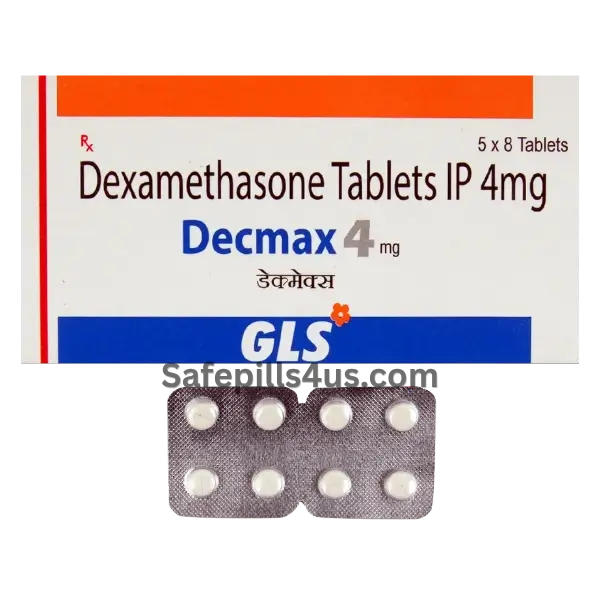
Discover Decmax 4 mg Tablet
Meet Decmax 4 Mg Tablet, a prescription-strength
dexamethasone tablet designed to calm tough inflammation when your doctor says you need something stronger. Dexamethasone is a corticosteroid, sometimes just called a steroid, that helps dial down the body’s overactive immune response. When swelling, redness, itching, or tightness are getting in the way, this medicine helps bring things back to baseline so you can breathe, move, and function more comfortably.
Decmax 4 mg is commonly used for short-term flare control in conditions like severe allergies, asthma flares, COPD exacerbations, skin rashes, certain types of arthritis, and other immune-related issues. It may also be used as part of a broader plan for certain cancers or to reduce swelling around nerves and tissues, as your specialist directs. It’s not a painkiller and it’s not an antibiotic. Instead, it tackles the underlying inflammation, which is why it can be so effective when used correctly.
What This Medicine is for
Your doctor may prescribe Decmax 4 mg Tablet (dexamethasone) for:
- Short-term control of severe allergic reactions and hives
- Asthma or COPD flare-ups that need anti-inflammatory treatment
- Flare management in rheumatoid arthritis or other autoimmune conditions
- Acute skin problems such as severe eczema, dermatitis, or psoriasis
- Swelling around nerves, brain, or spine as directed by a specialist
- Supportive care in certain cancers or chemotherapy protocols
- Endocrine testing or specific hormone-related conditions as advised
Because dexamethasone can suppress your immune system, it’s typically used for the shortest time needed to get a flare under control. Your care team will tailor the dose and duration to your situation.
How Dexamethasone Actually Works
Think of dexamethasone as a stronger, targeted version of your body’s own cortisol. When inflammation runs hot, immune cells release signals that cause swelling, redness, mucus, and pain. Dexamethasone steps in and quiets those signals. It helps reduce inflammatory chemicals, calms overreactive immune cells, and eases fluid buildup in tissues. The end result is less swelling and more comfort.
It doesn’t work like a rescue inhaler that opens airways right this second, and it won’t kill germs like an antibiotic. Instead, it helps your body step back from an overreaction. Some people feel better within hours; for others, it may take a day or two to notice steady improvement.
Who Should Consider Decmax 4 Mg Tablets
Decmax 4 mg is for people whose doctor has identified significant inflammation that needs steroid treatment. It can be a smart option if:
- You’re in the middle of a moderate to severe flare, and other meds aren’t enough
- You need a brief, controlled steroid course to break a symptom cycle
- Your specialist has included dexamethasone in your treatment plan for a specific condition
If you have ongoing infections, uncontrolled diabetes, stomach ulcers, osteoporosis, glaucoma, cataracts, high
blood pressure, or a history of mood disorders, your provider will weigh risks and benefits carefully. This medicine is not right for every situation.
How to Take Decmax Safely
- Follow the exact dose, timing, and length your doctor prescribes. Doses vary a lot based on the condition.
- If you’re on a short course, you may take it once daily, usually in the morning with food to reduce stomach upset.
- If you’ve been on steroids for more than a couple of weeks, do not stop suddenly. Your provider will set up a taper to protect your adrenal function.
- Missed a dose? Take it when you remember unless it’s close to the next one. Don’t double up without guidance.
- If nighttime jitters or trouble sleeping happen, ask your provider about taking your full dose earlier in the day.
Important Warnings and Precautions
Dexamethasone is powerful, which is why it comes with important safety notes:
- Infection risk: It can make infections easier to catch and harder to spot. Call your doctor for fever, chills, or new symptoms.
- Live vaccines: Avoid live vaccines while on steroid treatment unless your doctor says otherwise.
- Blood sugar spikes: It can raise blood sugar, especially if you have diabetes or prediabetes.
- Mood and sleep changes: Nervousness, euphoria, irritability, or insomnia can occur. Rarely, mood swings can be severe.
- Stomach and bones: Long-term or high doses may increase risk of stomach irritation or ulcers and bone thinning (osteoporosis).
- Eyes and pressure: Can increase eye pressure or worsen glaucoma and cataracts with prolonged use.
- Fluid and blood pressure: May cause fluid retention, swelling, or higher blood pressure.
- Adrenal suppression: Your body’s own steroid production can slow down. That’s why tapers matter and stress-dose plans may be needed for surgery or serious illness.
Seek urgent care for allergic reactions, severe stomach pain or black stools, shortness of breath, sudden vision changes, or thoughts of self-harm.
Possible Side Effects Explained
Common side effects, especially with short courses, can include:
- Upset stomach or heartburn
- Increased appetite or mild weight gain
- Trouble sleeping or feeling “amped up”
- Mood changes, anxiety, or irritability
- Headache, sweating, or acne flare
- Mild swelling of hands or feet
Call your provider if you notice:
- Signs of infection (fever, sore throat, cough that won’t quit)
- Significant mood changes, confusion, or depression
- Severe abdominal pain, black or tarry stools
- Vision changes, eye pain, or severe headaches
- Muscle weakness or unusual bruising
What to Tell Your Provider Upfront
Before starting Decmax 4 mg Tablet, share:
- Your full medication list, including over-the-counter meds and supplements
- If you take blood thinners, diabetes medications, diuretics, or NSAIDs
- If you use seizure medicines (such as carbamazepine or phenytoin), rifampin, certain antibiotics or antifungals, or HIV medicines—these can affect steroid levels
- Any history of ulcers, GI bleeding, infections like TB, shingles, or hepatitis
- Eye issues (glaucoma, cataracts) or bone loss/osteoporosis
- High blood pressure, heart problems, kidney or liver disease
- Pregnancy, plans to become pregnant, or breastfeeding
Tips for Everyday Use and Comfort
- Take with food or milk to be gentle on your stomach.
- If sleep is a mess, ask about morning dosing or a temporary sleep strategy.
- Keep salt moderate to help curb fluid retention, if your clinician agrees.
- Support your bones with calcium, vitamin D, and weight-bearing movement as advised.
- Monitor blood pressure and blood sugar if you’re at risk.
- Carry a medication card or note on your phone indicating you’re taking a steroid, especially if you’re on a taper.
Storage and ingredient Details
- Active ingredient: dexamethasone 4 mg per tablet
- Inactive ingredients: tablet binders, fillers, and coating agents that can vary by manufacturer
- Storage: keep at room temperature in a dry place (generally 68–77°F). Protect from excess heat and moisture. Keep out of reach of children.
Frequently Asked Questions About Decmax
Is Decmax 4 mg a painkiller?+
No. It reduces inflammation, which can indirectly ease pain, but it is not a painkiller like acetaminophen or ibuprofen.
How quickly will it start working?+
Many people feel some relief within 12 to 24 hours, but the full effect depends on your condition, dose, and overall treatment plan.
Can I stop Decmax suddenly once I feel better?+
If you have been taking it for more than a short burst, do not stop abruptly. Your doctor will guide a taper to protect your adrenal glands and help prevent rebound symptoms.
Will dexamethasone keep me awake?+
It can. If you notice jitteriness or insomnia, tell your provider. Taking it earlier in the day may help.
Can I drink alcohol while taking it?+
Light drinking may be permitted, but alcohol can irritate your stomach. If you are at risk for ulcers or taking NSAIDs, it is best to avoid alcohol and ask your doctor.
Is it safe during pregnancy or breastfeeding?+
Your doctor will weigh the benefits and risks. Do not start or stop treatment without professional advice.
Can I get vaccines while on dexamethasone?+
Some vaccines may be fine, but live vaccines are usually avoided. Always check with your provider first.