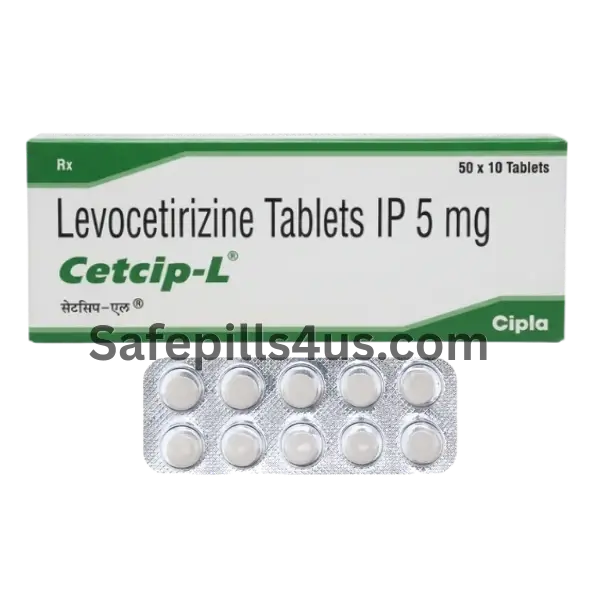
Cetcip L Tablets for Fast Allergy Relief
You know that feeling when allergies take over your entire day. Your nose won't stop running, your eyes feel like they are on fire, and every few minutes another sneeze catches you off guard. Cetcip L was made for exactly those moments. It contains levocetirizine dihydrochloride, a powerful third-generation antihistamine that gets to work quickly, lasts the whole day, and rarely makes you feel sleepy. One small tablet and your body gets the backup it needs to stop overreacting to every speck of pollen or dust in the air.
More Than Just Another Allergy Pill
Levocetirizine is not some copycat drug riding on an older formula. It is the active enantiomer of cetirizine, which means scientists took a proven molecule and isolated the most effective half of it. The result is a medication that delivers stronger histamine blocking power at a lower dose with fewer unwanted effects.
That refinement matters when you are the one dealing with allergies day after day. You get better symptom control from just 5 mg compared to the 10 mg you would need with regular cetirizine. Less drug in your system, same great results, and a cleaner experience overall.
How Levocetirizine Fights Allergies
Your immune system means well, but sometimes it overreacts. When it spots an allergen like pollen, pet dander, mold, or dust mites, it releases a flood of histamine into surrounding tissues. Histamine binds to H1 receptors in your nose, eyes, throat, and skin, sparking inflammation, swelling, itching, and all the symptoms you dread.
Levocetirizine moves fast. It reaches peak concentration in your blood within about an hour and immediately starts occupying those H1 receptors before histamine can claim them. No binding means no inflammatory cascade. Your nose dries up, your eyes stop burning, the itching fades, and the sneezing finally stops.
Beyond blocking histamine directly, levocetirizine also reduces the migration of certain inflammatory cells to affected areas. That means it does not just mask your symptoms temporarily. It actively dials down the underlying allergic response happening in your tissues.
What Makes This One Stand Out
Plenty of antihistamines promise 24-hour coverage. Cetcip L actually delivers it consistently. The pharmacokinetics of levocetirizine are remarkably stable, meaning the drug level in your blood stays within a therapeutic range throughout the day without dramatic peaks and valleys.
Speed is another advantage. People taking Cetcip L for the first time often report noticeable improvement within 30 to 60 minutes. When allergies are making you miserable, that kind of rapid response makes a real difference in your day.
Drowsiness remains minimal for most users. While no antihistamine can guarantee zero sedation for every single person, levocetirizine sits firmly in the non-drowsy category. Most patients go about their normal routines including driving and working without any noticeable mental fog.
Right Candidates for Cetcip L
Doctors typically prescribe Cetcip L to adults and children aged six and older who are dealing with moderate to severe allergic rhinitis or chronic idiopathic urticaria. Seasonal sufferers use it during their worst months, while people with perennial allergies sometimes stay on it year round under medical supervision.
Individuals who found regular cetirizine helpful but wanted something a bit more refined often transition smoothly to levocetirizine. The tolerability profile tends to be better at the lower dose, which appeals to people who are sensitive to medication side effects.
Taking Cetcip L Correctly
One 5 mg tablet per day is the standard adult dose. Take it at the same time each day, ideally in the evening for people who notice any mild drowsiness, or in the morning if it does not affect your alertness at all. Either timing works therapeutically.
Swallow it whole with water. Food does not interfere with absorption, so you can take it before or after meals based on whatever feels comfortable. Missing a dose is not a crisis. Just take it when you remember and return to your normal schedule the next day. Doubling up to compensate is never the right move.
Early Days on the Medication
The first dose usually brings noticeable relief within the hour. By day two or three, most people feel like their allergies have been turned down several notches. The constant nose-wiping stops. The eye rubbing eases up. You stop dreading going outside.
Some people experience mild dry mouth or a slight headache during the first couple of days. These minor effects almost always fade quickly. If you happen to feel a touch drowsy, it typically only shows up the first day and rarely returns.
Possible Side Effects Explained
Common side effects:
Rare but serious side effects:
Seek immediate medical help if you notice:
-
Swelling of the face, lips, or throat
-
Trouble breathing
-
Severe or widespread rash
Staying Safe While Using Cetcip L
Kidney health matters a lot with this particular drug. Because
levocetirizine relies heavily on the kidneys for elimination, reduced kidney function can cause the medication to accumulate. Your doctor should assess your renal status before prescribing and adjust accordingly.
Patients with epilepsy or a history of seizures should mention this before starting treatment. The same goes for anyone with urinary retention issues or existing liver problems.
Alcohol deserves its own warning here. Even though levocetirizine is classified as non-sedating, alcohol has its own depressant effects on the central nervous system. The combination can impair coordination and reaction time more than you might expect.
Watch for Drug Interactions
Levocetirizine has a relatively clean interaction profile compared to many antihistamines, but a few combinations deserve attention.
Ritonavir, used in HIV treatment, can increase levocetirizine levels in the blood. Theophylline, a medication for asthma, has shown a slight reduction in levocetirizine clearance in some studies, though the clinical significance remains debatable.
Central nervous system depressants including prescription sedatives, anxiety medications, opioid painkillers, and
muscle relaxants can magnify any drowsiness effect. Over-the-counter sleep aids and cold medicines containing antihistamines are another easy trap to fall into without realizing you are doubling up.
Proper Storage Guidance
Room temperature between 68 and 77 degrees Fahrenheit is the sweet spot for storing Cetcip L. Avoid places where temperature fluctuates like near stoves, windows, or in your car. Moisture is another concern, so steer clear of bathroom cabinets and keep the tablets sealed in original packaging until use.
Light exposure gradually degrades most medications over time, so a closed drawer or cabinet away from direct sunlight works best. Discard expired tablets responsibly through your pharmacy's take-back program and always keep this medication secured away from children and pets.
Questions from Real Patients
Does Cetcip L work for skin allergies too?+
Yes. Cetcip L contains levocetirizine, which is commonly used for chronic urticaria (hives) that cause itching and skin rashes. It is often recommended as a first-line treatment for allergic skin conditions.
Should I take Cetcip L in the morning or evening?+
Either time works. If you notice even mild drowsiness, taking Cetcip L in the evening can help. Otherwise, morning dosing is also effective and provides all-day relief.
How is Cetcip L different from cetirizine?+
Levocetirizine in Cetcip L is the active form of cetirizine. It works at a lower dose with similar or better effectiveness and may cause fewer side effects for many people.
Can I use Cetcip L during allergy season and then stop?+
Yes. Many people take Cetcip L during peak allergy seasons and stop once symptoms improve. There is no known withdrawal or rebound effect.
What if Cetcip L stops working over time?+
Loss of effect is uncommon, but if you feel it is less effective, speak with your doctor. They may adjust your treatment or check for other causes of your symptoms.
Is Cetcip L safe for older adults?+
Generally yes, but dose adjustments may be needed, especially if kidney function is reduced. A healthcare provider should guide dosing in older adults.