Description
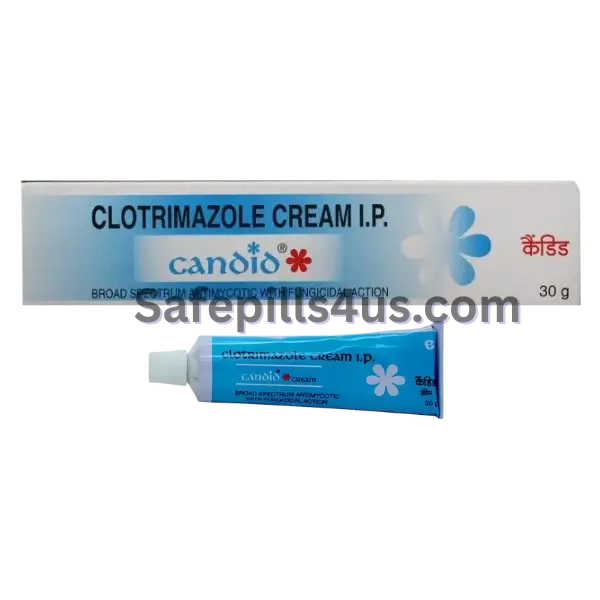
Candid Cream 15 gm (Clotrimazole 1%) — Everyday antifungal care for itchy, red rashes
Candid Cream 15 gm is a topical antifungal cream used to treat common fungal skin infections. Think ringworm (tinea), athlete’s foot, jock itch, and yeast-related rashes in skin folds. It targets the fungus right where it lives, so the itch calms down, the redness fades, and the skin looks normal again. It’s simple to use, light on the skin, and made for external use only.
Quick highlights
- Active ingredient: Clotrimazole 1% w/w
- Pack size: 15 gm tube (travel-friendly, easy to stash in a bag or drawer)
- Use for: Ringworm, athlete’s foot, jock itch, candidal rashes, pityriasis (tinea) versicolor
- Texture: Smooth cream that absorbs well without a greasy feel
What it treats
- Ringworm (tinea corporis): round, scaly, red patches with a clearer center
- Athlete’s foot (tinea pedis): itching, peeling, soft white skin between toes
- Jock itch (tinea cruris): red, itchy rash in the groin or inner thighs
- Cutaneous candidiasis: raw, red, moist rashes in skin folds (armpits, under breasts)
- Tinea versicolor: lighter or darker flat patches on chest, back, or shoulders
Why people choose Candid Cream 15 gm
- Targets fungus at the source to stop growth and spread
- Helps relieve itching, burning, and irritation fast
- Easy routine thin layer, twice daily
- Trusted ingredient clotrimazole has been used by dermatology pros for decades
What’s inside the tube
- Clotrimazole 1% w/w (antifungal)
- Cream base and skin-friendly excipients
- No steroid in this formula. That means it treats the fungus without masking symptoms or thinning skin.
How to use it (step-by-step)
- Wash and fully dry the area. Fungus loves moisture, so drying matters.
- Squeeze a pea-sized amount (or enough to cover) and spread a thin layer over the rash and about 1 inch beyond the edges.
- Gently rub in until absorbed.
- Wash your hands after applying, unless your hands are the area being treated.
- Apply twice daily morning and night unless your clinician advised otherwise.
Tips:
- For athlete’s foot, change socks daily and go for breathable shoes. Dusting powder can help keep toes dry.
- For groin rashes, wear loose, cotton underwear and avoid sweaty fabrics.
- Don’t stop early. Keep going for the full duration to prevent relapse.
How long should you use it?
- Ringworm/jock itch: usually 2 to 4 weeks
- Athlete’s foot: often 4 weeks (and keep feet dry)
- Candidal skin rash: about 2 weeks
- Tinea versicolor: 1 to 2 weeks, sometimes longer if advised
Good-to-know do’s and don’ts
- Do test a small spot first if you have sensitive skin.
- Do keep using it for a few days after symptoms settle, unless told otherwise.
- Don’t use on the face, groin, or armpits without guidance if the skin is broken, very thin, or inflamed.
- Don’t cover with tight bandages or plastic wraps unless a clinician says it’s okay.
- Don’t use inside the mouth, nose, or eyes. Rinse with water if accidental contact happens.
Who should be careful
- Known allergy to clotrimazole or any cream component
- Very large or oozing rashes, fever, foul odor, or pain (could be a different infection—get checked)
- Diabetics or people with poor circulation skin care needs closer monitoring
- Warfarin or other blood thinners: rare interaction reports exist with clotrimazole; if you notice unusual bruising or bleeding, contact your clinician
- Pregnancy or breastfeeding: generally considered low risk topically, but always check with your provider before use
Possible side effects
Mostly mild and temporary if they happen at all:
- Light burning or stinging on application
- Itching, redness, or dryness where applied
- Peeling or irritation in sensitive skin
Storage and handling
- Store at room temperature, away from direct heat and sunlight
- Keep the cap tightly closed
- Keep out of reach of children and pets
- Check the expiry date on the carton or tube before use
What to expect (realistic timeline)
- Day 1–3: itch and irritation usually start easing
- Week 1–2: redness settles, edges shrink, skin texture looks better
- Week 3–4: rash clears; stick with dryness and hygiene to avoid a comeback
Frequently Asked Questions
Q: Is Candid Cream 15 gm good for ringworm?
A: Yes. Clotrimazole 1% is a standard treatment for ringworm. Use a thin layer twice daily and keep the skin clean and dry.
Q: How much should I apply?
A: Just a thin film—enough to lightly cover the rash and a small margin around it. More cream doesn’t mean faster results.
Q: Can I stop using it once the itch is gone?
A: Keep going for the full course. Stopping early can let the fungus return.
Q: Can I use this on my child?
A: Often yes, but pediatric skin is delicate. Ask a pediatrician or pharmacist for age-appropriate guidance and duration.
Q: What if I miss an application?
A: Apply when you remember, then go back to your normal schedule. Don’t double up.
Q: Is this safe on the face?
A: Facial skin is sensitive. Only use if a clinician says it’s appropriate for your specific rash.
Q: Does it help with yeast rashes under the breasts or in skin folds?
A: Yes, it’s commonly used for candida-related rashes. Dry the area well before each application.
Q: Can I use a steroid cream with it?
A: Not unless prescribed. Steroid mixes can hide symptoms and sometimes worsen fungal issues long-term.
Q: Will it fix toenail fungus?
A: No. Nail infections usually need a different plan (and often oral meds). Ask a clinician for nail-specific treatment.




Reviews
There are no reviews yet.