Description
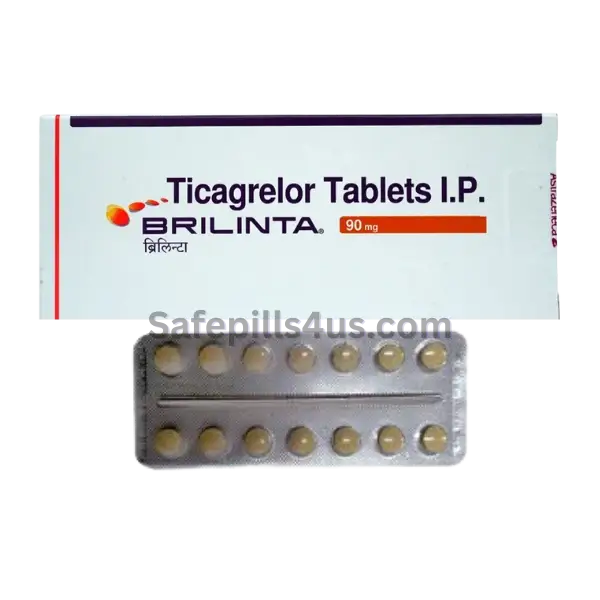
Brilinta 90 mg (Ticagrelor) – Prescription Antiplatelet Tablets
Brilinta 90 mg is a prescription antiplatelet tablet that helps stop blood clots from forming inside your arteries. It’s commonly used after a heart attack, with a new stent, or during treatment for acute coronary syndrome. You take it with low‑dose aspirin (usually 81 mg daily). In short: it helps keep your blood flowing so you’re less likely to have another heart attack or a stroke.
- Active ingredient: ticagrelor
- Strength: 90 mg film‑coated tablets
- Usual use: with low‑dose aspirin to lower the risk of heart attack, stroke, and stent clotting
- Typical frequency: twice daily, same times each day
- Prescription required: yes
What Brilinta 90 mg Is Used For
Your heart team may choose Brilinta 90 mg if you:
- Had a recent heart attack (MI) or unstable angina
- Had a stent placed after a heart event
- Need dual antiplatelet therapy (DAPT) with aspirin to prevent dangerous clots
Some people at high cardiovascular risk may also stay on antiplatelet therapy longer, as guided by their doctor. It’s not a do‑it‑yourself decision your prescriber sets the plan.
How Brilinta 90 mg Works
Platelets are tiny cell fragments that help your blood clot. Great when you cut your finger. Not great when they clump inside a coronary artery. Brilinta blocks a platelet receptor called P2Y12, so platelets don’t stick together as easily. fewer clots where they don’t belong. That reduces the chance of another heart attack, stroke, or a clot in a new stent. It starts working quickly and is designed to be steady day to day.
How to Take Brilinta 90 mg
- Starting dose many patients begin with a one‑time loading dose (often 180 mg).
- Maintenance 90 mg twice a day, about 12 hours apart.
- Always pair with low‑dose aspirin (typically 81 mg daily). Don’t exceed 100 mg aspirin per day unless your doctor says so.
- With or without food both are fine. Pick a routine and stick to it.
- Missed a dose skip it and take your next dose at the regular time. Don’t double up.
- Trouble swallowing? The tablet can be crushed and mixed with water. Your pharmacist can walk you through it.
- Procedures coming up? For planned surgery or dental work, your prescriber may tell you to stop Brilinta at least 5 days before. Don’t stop on your own ever.
Side Effects You Might Notice
Not everyone gets side effects, but being prepared helps:
- Bleeding and bruising more easily (nosebleeds, bleeding gums, longer bleed time from cuts)
- Shortness of breath or a can’t get a full breath feeling common with ticagrelor; usually mild, but tell your doctor if it’s new or bothers you
- Headache, dizziness, or nausea
Serious warning signs get help right away:
- Bleeding you can’t stop
- Vomiting blood, coughing blood, or black/tarry stools
- Sudden, severe headache, confusion, or weakness on one side of the body
Important Warnings and Interactions
- Do not use if you have active bleeding, a history of bleeding in the brain, severe liver problems, or a known allergy to ticagrelor.
- Stick to low‑dose aspirin (75–100 mg daily). Higher daily aspirin can make Brilinta less effective.
- Tell your provider about all meds and supplements. Some raise bleeding risk:
- Other blood thinners (warfarin, apixaban, rivaroxaban, etc.)
- NSAIDs (ibuprofen, naproxen)
- SSRIs/SNRIs (certain antidepressants)
- Strong CYP3A inhibitors/inducers can change Brilinta levels:
- Inhibitors: ketoconazole, clarithromycin, ritonavir
- Inducers: rifampin, carbamazepine, phenytoin, St. John’s wort
- Alcohol: go easy. It can add to bleeding risk.
- Pregnancy/breastfeeding: not enough clear data discuss risks and benefits with your doctor.
Storage and Product Details
- Storage: room temperature (68–77°F / 20–25°C). Keep dry and away from heat.
- Packaging: various pack sizes; tablet is film‑coated.
- Brand: Brilinta (ticagrelor)
- Route: oral tablet
- Keep out of reach of kids and pets. Yep, even if it’s “just one pill.”
What You Get
- Strength: 90 mg ticagrelor per tablet
- Color/shape: varies by manufacturer and pack
- Use: prescription antiplatelet for cardiovascular protection
- Guidance: use exactly as directed by your cardiologist or prescriber
Frequently Asked Questions
Q: What does Brilinta 90 mg do?
A: It helps stop platelets from clumping, so you’re less likely to form a clot that could cause a heart attack or stroke.
Q: Do I have to take aspirin with Brilinta?
A: Yes. Low‑dose aspirin (usually 81 mg daily) is part of the plan unless your doctor tells you otherwise. Don’t go over 100 mg daily with Brilinta.
Q: How long will I be on Brilinta 90 mg?
A: Many patients use it for up to 12 months after a heart attack or stent, but the timeline depends on your case. Your doctor will set it.
Q: What if I forget a dose?
A: Skip it and take your next dose at the usual time. Don’t take two doses together.
Q: Can I crush the tablet?
A: Yes, Brilinta can be crushed and mixed with water if needed. Ask your pharmacist for the right steps.
Q: I feel short of breath. Should I stop?
A: Don’t stop on your own. Mild shortness of breath can happen with ticagrelor, but you should call your prescriber to check in.
Q: Is it safe with my other heart meds?
A: Often yes, but interactions happen. Share your full medication list (including supplements) with your provider so they can keep you safe.
Q: Any tips to lower bleeding risk?
A: Use a soft toothbrush, shave with an electric razor, limit alcohol, and avoid unnecessary NSAIDs unless your doctor approves.



Reviews
There are no reviews yet.