Description
What is Blue Zopiclone 7.5 mg helps with
- Falling asleep faster when your mind won’t switch off
- Waking repeatedly at night and struggling to get back to sleep
- Short bouts of insomnia tied to stress, jet lag, or schedule changes
- Sleep disrupted by anxiety “spikes” at bedtime (as part of a wider plan from your clinician)
How it works
Your brain uses chemical messengers to balance on and off. Zopiclone boosts the calming side (GABA) at a specific receptor site, turning down the volume on racing thoughts and body tension. You feel drowsy, muscles relax, and sleep comes easier. It’s not a knockout punch; it’s more like easing your foot off the gas so your body can do what it already knows how to do—sleep.
- Onset: Usually 30–60 minutes
- Duration: About 6–8 hours (so you need a full night)
- Food: Can be taken with or without food; a very heavy meal might slow the onset a bit
Strengths, color, and what’s in the pack
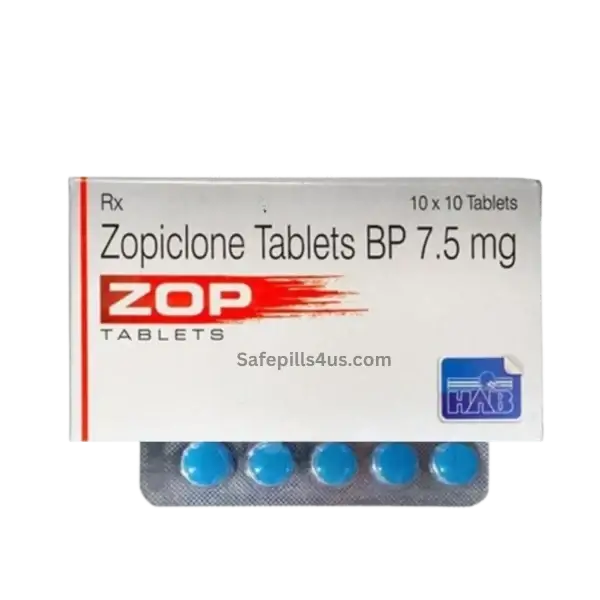
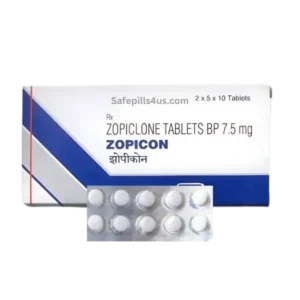
- Strengths you’ll see: 3.75 mg and 7.5 mg tablets (the 7.5 mg are often blue; 3.75 mg are often white this varies by manufacturer)
- Form: Film‑coated tablets
- Inactive ingredients: Vary by brand. If you have dye, lactose, or gluten concerns, check your specific pack or ask your pharmacist.
Who it’s for
May suit you if:
- You’re an adult with short-term insomnia that’s affecting daytime life
- You’ve tried basic sleep hygiene but still need a short course of medication
- You can allow at least 7–8 hours in bed after taking a dose
Use caution or avoid if:
- You’re pregnant or breastfeeding (talk to your clinician first)
- You have severe liver problems, severe breathing issues, sleep apnea, or myasthenia gravis
- You have a history of substance or alcohol misuse
- You’re over 65 (higher sensitivity to side effects often start at 3.75 mg)
- You’re under 18 (generally not recommended)
- You’ve had complex sleep behaviors (sleepwalking, sleep driving) on any sedative before
If any of these apply, tell your prescriber. There are safer alternatives and dose tweaks that can help.
How to take Blue Zopiclone 7.5 mg
- Take 1 tablet (7.5 mg) by mouth right before bedtime, only when you can get a full night’s sleep
- Do not take more than one dose per night
- Swallow whole with water; don’t crush or chew unless your prescriber says it’s okay
- Older adults, people with liver issues, or those sensitive to sedatives often start at 3.75 mg
- Keep the course short—usually a few nights up to 2–4 weeks (including taper), unless your clinician has a specific plan
Important:
- Don’t mix with alcohol or other sedatives (opioids, benzodiazepines, strong antihistamines, sleeping “PM” combos)
- Don’t take a “top-up” if you wake at 2 a.m. One dose per night, that’s it
- If your tablet is scored and your clinician suggests halving to 3.75 mg, that’s fine; otherwise ask for the lower strength
What you may notice
- Falling asleep faster (less clock‑watching)
- Fewer wake‑ups and longer stretches of solid sleep
- A “sleep hangover” if you didn’t get 7–8 hours or the dose is a bit high for you
- A dry mouth and a metallic or bitter taste (really common with zopiclone—mints or water help)
Possible side effects
Common (usually mild and dose‑related):
- Drowsiness the next day, dizziness, or feeling “off”
- Dry mouth, metallic/bitter taste
- Headache, nausea, or stomach upset
Less common:
- Confusion, agitation, or irritability (more likely in older adults)
- Nightmares or vivid dreams
- Memory gaps (especially if you stay up after taking it)
Serious stop the medicine and get help:
- Complex sleep behaviors: sleepwalking, sleep eating, making calls, even trying to drive while not fully awake
- Breathing problems, severe daytime sleepiness, or fainting
- Allergic reaction rash, swelling of face/lips/tongue/throat, trouble breathing
- Worsening mood, new anxiety, or suicidal thoughts
Dependence, tolerance, and stopping safely
Zopiclone is for short-term use. Using it nightly for too long can lead to tolerance (it stops working as well) and dependence (you feel rough without it).
- Keep the course as short as possible
- If you’ve used it for more than a couple of weeks, ask your prescriber about a short taper rather than stopping suddenly
- Rebound insomnia (a few tough nights) can happen when you stop. Pair with good sleep habits to get through that patch
Interactions to watch out for
Avoid with:
- Alcohol (stacks sedation and impairs breathing dangerous combo)
- Opioids (codeine, oxycodone, tramadol), benzodiazepines, barbiturates, strong sleep aids risk of profound sedation, breathing problems, and overdose
Talk to your clinician or pharmacist if you use:
- Sedating antidepressants (mirtazapine, trazodone), antipsychotics, muscle relaxants, gabapentin/pregabalin, or strong antihistamines (diphenhydramine, doxylamine)
- CYP3A4 inhibitors (e.g., ketoconazole, itraconazole, clarithromycin, erythromycin, cobicistat/ritonavir) that can raise zopiclone levels
- CYP inducers (rifampin, carbamazepine, phenytoin, St. John’s wort) that can make it too weak
- Grapefruit/grapefruit juice (can increase exposure; best to avoid on dose days)
Bring your full med list to your appointment. Five minutes of checking can prevent a miserable morning.
Practical sleep tips that actually help
- Keep a steady sleep and wake time—even on weekends
- Dim screens and lights an hour before bed; switch your phone to night mode
- Cool, dark, quiet bedroom (simple earplugs or an eye mask can be game‑changers)
- Caffeine cutoff: at least 8 hours before bedtime
- Keep late dinners small and not too fatty
- If you can’t sleep after ~20–30 minutes, get up and do something calm in low light, then try again
Storage and handling
- Store at room temperature, dry, away from heat and direct sun
- Keep in the original blister or bottle to protect from moisture
- Keep out of reach of children and pets
- Don’t use past the expiration date
What customers often say
- “I fell asleep before my mind could spiral.”
- “That bitter taste? Yeah, it’s a thing—but water and a mint sorted it.”
- “I need a full night or I feel groggy. Timing matters.”
- “Half a tablet was perfect for me; a whole one felt heavy in the morning.”
Frequently asked questions (FAQ)
Q: Is “Blue Zopiclone” different from regular zopiclone?
A: Not really. “Blue” usually refers to the color of many 7.5 mg tablets. The active ingredient is zopiclone. Always confirm the strength on your pack.
Q: How fast does it work?
A: Most people feel drowsy within 30–60 minutes. Take it right before you plan to sleep, not earlier in the evening.
Q: Can I take it if I wake at 2 a.m.?
A: No. Zopiclone is once nightly only. Taking a second dose the same night increases the risk of heavy next‑day sedation and memory issues.
Q: Will I be groggy the next day?
A: Maybe—especially if you didn’t get a full 7–8 hours, you took the higher dose, or you stacked with alcohol/sedatives. If it’s a pattern, ask about 3.75 mg.
Q: Can I drink alcohol with Blue Zopiclone?
A: No. Alcohol and zopiclone don’t mix—think impaired breathing, poor coordination, and blackout‑level memory problems.
Q: Is zopiclone addictive?
A: It can be habit‑forming if used too long or at high doses. Keep the course short, and taper with your prescriber if you’ve been on it for a while.
Q: Can I drive the next morning?
A: Only if you feel fully alert. Zopiclone can impair reaction time into the next day, especially after a short night or higher dose.
Q: What’s with the bitter taste?
A: It’s a well‑known quirk. Sipping water, brushing teeth, or a sugar‑free mint after dosing usually helps.
Q: Is 7.5 mg the right dose for everyone?
A: No. Many people—especially older adults or those sensitive to meds—do better starting at 3.75 mg. Your prescriber will match the dose to you.
Q: Can I split the blue tablet?
A: Only if your specific tablet is scored and your prescriber says it’s okay. Otherwise ask for the 3.75 mg strength.
Q: How long can I use it?
A: As short as possible. Many courses run a few nights to 2–4 weeks. If insomnia is ongoing, your clinician may shift you to non‑drug therapy (like CBT‑I) or reassess other causes.
Q: Does it help with anxiety?
A: It can ease bedtime tension by helping you sleep, but it’s not an anxiety treatment. If anxiety is the main issue, mention that—different tools may help more.
Q: Is it safe with antidepressants?
A: Sometimes, yes—but some combinations add sedation. Share your full med list with your prescriber or pharmacist to be safe.
Q: What if I miss my usual bedtime dose?
A: If you’re already close to your wake‑up time, skip it. Taking it late can leave you groggy the next day.
Q: Can I use it for jet lag?
A: Possibly for a few nights, if your clinician agrees. Keep it short and avoid alcohol on travel days.


Reviews
There are no reviews yet.