Description
What It’s Used For
Clinicians choose
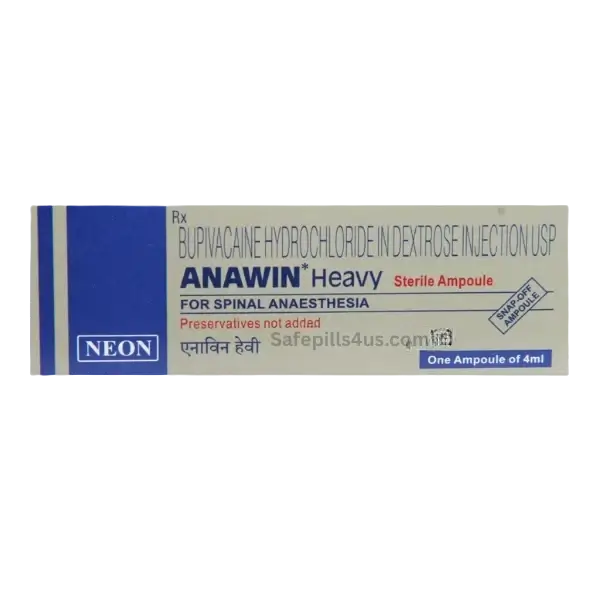
Anawin Heavy 5 Mg Injection for:
- Lower-limb orthopedic surgeries
- Pelvic and perineal procedures
- Urologic surgeries (TURP)
- Lower abdominal cases suited to spinal anesthesia
- Cesarean section and obstetric procedures (dose-adjusted)
The heavy profile gives you position-guided control lateral for unilateral emphasis, slight head-down to raise the level, head-up to limit spread. Simple, practical, effective.
Why Heavy (Hyperbaric) Matters
Hyperbaric means this
Bupivacaine 0.5% Heavy solution is denser than CSF thanks to glucose. So gravity helps shape the block height. That translates into:
- More predictable cephalad spread
- Easier control of sensory level
- Reliable, dense block for the intended surgical field
How It Works
Bupivacaine blocks voltage-gated sodium channels in nerve membranes. When those are blocked, pain and motor signals can’t travel. The result is numbness and muscle relaxation in the targeted region. Because it’s intrathecal and
hyperbaric, block onset is brisk and spread is controllable with positioning.
Onset & Duration
- Onset: about 3–8 minutes
- Peak: shortly after onset
- Duration of surgical anesthesia: typically ~2–4 hours (sometimes longer)
- Motor block: commonly 2–3+ hours
- Variables: dose, patient size, pregnancy, positioning, and technique details
Composition & Presentation
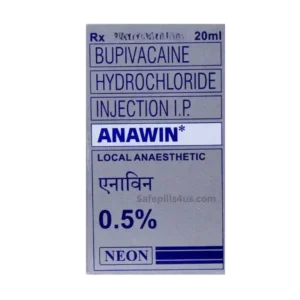
- Strength: 0.5% (5 mg/mL) of bupivacaine in a glucose-containing, hyperbaric solution
- Formulation: preservative-free for intrathecal use
- Presentation: single-dose ampoules/vials (clear solution)
- Do not use if discolored or particulate is visible
Dosing & Administration (for clinicians)
Always follow your local label and institutional protocols. Use the smallest effective dose.
Typical adult intrathecal dose ranges:
- Lower-limb/perineal/urologic surgery: ~7.5–12.5 mg (1.5–2.5 mL)
- Pelvic/lower abdominal surgery: ~10–15 mg (2–3 mL)
- Cesarean section: ~10–12.5 mg (2–2.5 mL), individualized
Technique notes:
- Midline lumbar puncture (L3–L4 or L4–L5), confirm free CSF flow
- Inject slowly; position the patient with intent (remember, it’s hyperbaric)
- Continuous monitoring (BP, HR, SpO2); oxygen and airway gear ready
- Treat hypotension and bradycardia promptly (fluids, vasopressors, atropine per protocol)
Who Should Not Receive It
Contraindications:
- Hypersensitivity to bupivacaine or other amide-type local anesthetics
- Infection at puncture site, sepsis
- Uncorrected coagulopathy/ongoing problematic anticoagulation
- Severe hypovolemia/shock
- Raised intracranial pressure with mass effect
- Patient refusal or inability to cooperate
Use with caution:
- Severe hepatic disease
- Fixed cardiac output states (e.g., severe aortic stenosis)
- Elderly, frail, pregnant (dose and spread adjustments)
- Spinal deformity or previous spine surgery
- Pre-existing neurologic disease (weigh risks/benefits)
Possible Adverse Effects
Common/expected:
- Hypotension and/or bradycardia from sympathetic block
- Nausea/vomiting
- Urinary retention
- Shivering, pruritus (especially with intrathecal opioids)
Less common, important:
- High/total spinal (respiratory compromise)
- Post-dural puncture headache (PDPH)
- Transient neurologic symptoms (rare)
- LAST (Local Anesthetic Systemic Toxicity) if inadvertent IV dose: tinnitus, metallic taste, circumoral numbness, seizures, arrhythmias, cardiac depression
Be prepared:
- Vasopressors, IV fluids, atropine at hand
- Airway/ventilation equipment ready
- 20% lipid emulsion for suspected LAST per protocol
Interactions
- Other local anesthetics or Class I antiarrhythmics (e.g., lidocaine, mexiletine): additive CNS/cardiac toxicity
- Class III antiarrhythmics (e.g., amiodarone): potential increased cardiac depression
- Beta‑blockers, cimetidine, drugs reducing hepatic blood flow: may raise plasma levels—monitor closely
- CNS depressants/sedation: additive perioperative effects
- Intrathecal opioids (preservative-free fentanyl/morphine): can enhance block/analgesia but increase risks (pruritus, respiratory depression)
Storage & Handling
- Store at controlled room temperature (see pack label)
- Protect from light if advised
- Do not freeze
- Single-use ampoules/vials—discard any remainder
- Keep out of reach of children
- Check expiry and integrity before use
Why Choose Anawin Heavy 5 Mg Injection
- Hyperbaric control for more predictable spread
- Dense, long-acting spinal anesthesia with steady surgical conditions
- Preservative-free formulation built for intrathecal use
- Time-tested bupivacaine performance and clinician familiarity
Frequently Asked Questions
Q: What does “heavy” mean in Anawin Heavy 5 Mg Injection?
A: “Heavy” =
hyperbaric. Glucose makes the solution denser than CSF, so gravity helps guide spread. You can fine-tune block height with positioning.
Q: Is it for epidural use?
A: No. This is for
intrathecal (spinal) anesthesia only. Use plain bupivacaine for epidural or peripheral blocks.
Q: How fast does it set?
A: Onset is usually 3–8 minutes, with a dense block shortly after.
Q: How long does the block last?
A: Typically about 2–4 hours of surgical anesthesia. Analgesia can linger, and motor block commonly lasts 2–3+ hours.
Q: What doses are common for a C‑section?
A: Many protocols use ~10–12.5 mg (2–2.5 mL), individualized by height, physiology, and target level. Always follow local guidelines.
Q: Can it cause low blood pressure?
A: Yes. Sympathetic block often lowers BP and may slow HR. Have fluids and vasopressors ready, and monitor continuously.
Q: What if LAST is suspected?
A: Manage airway/breathing/circulation, treat seizures if present, and start 20% lipid emulsion therapy per your LAST protocol immediately.
Q: Is it preservative-free?
A: Yes intrathecal solutions like
Bupivacaine 0.5% Heavy are formulated
preservative-free. Always confirm on the vial.
Q: Can I add intrathecal opioids?
A: Some centers add preservative-free fentanyl or morphine to enhance anesthesia/analgesia. Benefits come with risks—use only per protocol.
Q: Who shouldn’t get it?
A: Patients with amide anesthetic allergy, infection at the site, sepsis, uncorrected coagulopathy, severe hypovolemia, or raised ICP with mass effect. Patient refusal is an absolute no-go.



Reviews
There are no reviews yet.