When Allergies Take Over Everything
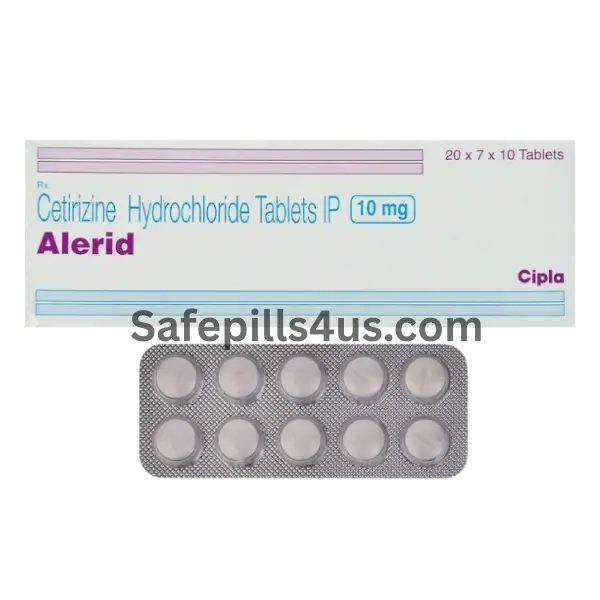
Allergies have a way of ruining perfectly good days. You wake up already congested, your eyes feel swollen before you have had your coffee, and by noon you have sneezed so many times your coworkers have stopped saying bless you. That is the kind of morning Alerid 10mg was designed to fix. It contains cetirizine hydrochloride, which is one of the most commonly used allergy medicines in the world. Doctors have been recommending cetirizine for years because it handles the big stuff like nonstop sneezing, runny nose, itchy eyes, scratchy throat, and even hives without making most people feel like they need a nap. Whether your triggers are seasonal things like pollen and ragweed or everyday stuff like pet dander and dust mites, Alerid gives your body a way to calm down and stop treating harmless particles like serious threats.
What Actually Happens Inside Your Body
So here is the short version of why allergies happen. Your immune system is supposed to fight off things that could actually hurt you like germs and viruses. But sometimes it gets a little overzealous. It spots something totally harmless like pollen floating through the air and decides to go to war. When that happens your body pumps out a chemical called histamine. Histamine is basically the alarm bell. It makes the blood vessels in your nose swell up, kicks mucus production into overdrive, irritates the nerve endings in your eyes, and causes your skin to get red and itchy. That is why you feel so miserable during allergy season.
Cetirizine steps in and blocks histamine from doing its thing. It parks itself on the receptors where histamine normally attaches and just sits there like a locked door. Histamine shows up but it has nowhere to go. No attachment means no swelling, no sneezing, no watery eyes. The older allergy medicines from decades ago did the same basic job but they also made people incredibly drowsy because they got into the brain too easily. Cetirizine is a newer type of antihistamine that mostly stays out of the brain so you get the allergy relief without feeling like a zombie.
Not Just About Stopping Sneezes
A lot of people think allergy medicine just puts a temporary pause on sneezing. Alerid actually does quite a bit more than that. It brings down the inflammation inside your nasal passages so you can breathe more freely. It calms the irritation in your eyes so you stop rubbing them raw. It reduces the redness and puffiness that make you look like you have been crying all morning. And for people who deal with chronic hives, those random patches of itchy raised skin that pop up without any obvious reason, Alerid provides steady daily relief that genuinely improves how you feel.
One tablet covers you for a full 24 hours. You take it in the morning and you are good until tomorrow. Most people start feeling a difference within about 20 minutes to an hour, and the relief stays consistent throughout the day. That kind of quick onset plus long lasting coverage is exactly why cetirizine remains one of the top recommended antihistamines by doctors and pharmacists across the country.
Who This Medicine Works For
Alerid 10mg is meant for adults and kids six years and older. It works well for people who deal with seasonal allergies that show up during specific times of the year like spring or fall. It is also great for people who have year-round allergies triggered by indoor stuff like mold, dust, or pet hair. If you get recurring hives that do not seem to have a clear cause, daily cetirizine can help keep those under control too.
That said it is not the right fit for everyone without a conversation with a doctor first. If you have kidney problems or liver issues your dose might need to be adjusted. And if you are pregnant or breastfeeding you should definitely check with your healthcare provider before starting it.
How to Take It Properly
This one is pretty straightforward. Take one 10mg tablet once a day with water. You can take it with food or without food, whatever fits your routine. Unlike some allergy medicines that get weird about fruit juice or fatty meals, cetirizine is not that picky about what is in your stomach. Just try to take it around the same time every day so the levels in your body stay even.
If you forget a dose just take it when you remember. But if it is already close to the time for your next dose skip the missed one and pick back up on your normal schedule. Do not double up to make up for it. That is not how it works and it will only increase the chance of side effects.
What the First Few Days Look Like
The first thing most people notice is that the sneezing slows down. That constant tickle in the back of your nose starts to ease up and your eyes stop watering as much. By day two or three the congestion usually loosens and you start feeling like yourself again. Some people feel a little sleepy during the first day or two and that is normal. It usually goes away pretty quickly as your body gets used to the medicine. Compared to the older stuff like diphenhydramine the drowsiness from cetirizine is way milder and plenty of people do not notice it at all. After a few days of regular use most people settle into a comfortable routine where allergies are just not a factor anymore.
Side Effects to Be Aware Of
Most people handle Alerid really well. The side effects that do come up tend to be minor things like mild sleepiness, dry mouth, a little headache, or some light fatigue. These are usually not a big deal and they often go away on their own after a few days. Some people notice mild stomach discomfort or a slight sore throat but again these are not common enough to worry about ahead of time.
What you do need to watch out for are the rare serious reactions. If your face starts swelling, if your tongue feels thick, if you have trouble breathing, or if you break out in a severe rash that spreads quickly, stop taking the medicine and get emergency help right away. These signs could mean you are having a serious allergic reaction to the medication itself. It does not happen often but it is important to know what to look for.
Things Your Doctor Should Know First
Before you start Alerid make sure your doctor or pharmacist knows what else is going on with your health. Kidney disease and liver disease can change how your body processes cetirizine so the dose might need to come down. If you take any kind of sedative, sleeping pill, anxiety medication, or
muscle relaxant, adding cetirizine on top can make the drowsiness worse. Same goes for alcohol. Even a couple of drinks can amplify that sleepy feeling when combined with an antihistamine.
Older adults tend to be a little more sensitive to cetirizine so it is smart to start cautiously and see how your body reacts. And for kids under six this particular tablet strength is not recommended without a pediatrician weighing in. There are lower dose options and liquid forms that are better suited for younger children.
Medicines That Do Not Mix Well
There are a few drug interactions worth knowing about. Central nervous system depressants are the big one. That category includes things like sleep aids, anti-anxiety medications, certain pain relievers, and muscle relaxants. Taking any of those alongside Alerid can stack up the drowsiness in a way that is not comfortable or safe.
Theophylline, which some people take for asthma, can slightly change how
cetirizine moves through your body although that interaction is usually pretty mild. The one thing a lot of people overlook is over-the-counter cold and flu medicines. A lot of those combination products already contain an antihistamine. If you take one of those on top of Alerid you could accidentally double your antihistamine dose without realizing it. Always read the labels on cold medicines carefully and if you are not sure ask your pharmacist.
Keeping It Stored Right
Keep your Alerid tablets somewhere cool and dry at normal room temperature. Somewhere around 68 to 77 degrees is ideal. Stay away from spots that get hot or humid like bathrooms, windowsills, or above the stove. A drawer in your bedroom or a dry shelf in the kitchen works great. Leave the tablets in their original packaging until you are ready to take one and make sure kids and pets cannot get to them. Check the expiration date every once in a while and bring any expired tablets to your pharmacy for proper disposal.
Common Questions People Ask
How quickly does Alerid kick in?+
Usually quite fast. Many people start feeling relief within 20 minutes to an hour, and by the end of the first day you’ll likely notice a clear improvement in symptoms.
Is it okay to drive on Alerid?+
For most people, yes. Alerid (cetirizine) causes much less drowsiness than older antihistamines. Still, everyone reacts differently, so see how you feel the first few times before driving.
Can I take Alerid every day for months?+
Yes, many people take it daily throughout allergy season or even year-round. If you plan long-term use, it’s a good idea to check in with your doctor occasionally.
I took two Alerid tablets by mistake. Should I worry?+
Probably not. One extra dose may cause mild drowsiness or dry mouth, but serious effects are unlikely. Skip the next dose and return to your normal schedule. If you feel unwell, contact your pharmacist or doctor.
Can my five-year-old take Alerid 10 mg tablet?+
This 10 mg tablet is usually meant for children aged six and above. Younger children may need lower doses or liquid forms. Always consult a pediatrician before giving it to a child.